

THE TRUTH BEHIND THE ‘YORUBA’ TRADEMARK CONTROVERSY!! How Intellectual Property Loop-Holes Let Foreign Companies Monetize Ethnic Names… And How Social Media Fought Back! (DETAILS)
Honey, clear off your timelines and hold onto your seats, because the anger surrounding corporate entities trademarking sacred cultural names, languages, and ethnic heritage is real—and the legal loopholes behind it are absolutely wild!
If you’ve been seeing posts claiming that a major hair company or foreign entity trademarked the word “Yoruba” as far back as 2017, you are not crazy. Corporate registration records reveal that foreign-owned businesses have repeatedly exploited intellectual property offices in the US and UK to lock down commercial rights over African ethnic group names, languages, and traditional terms!
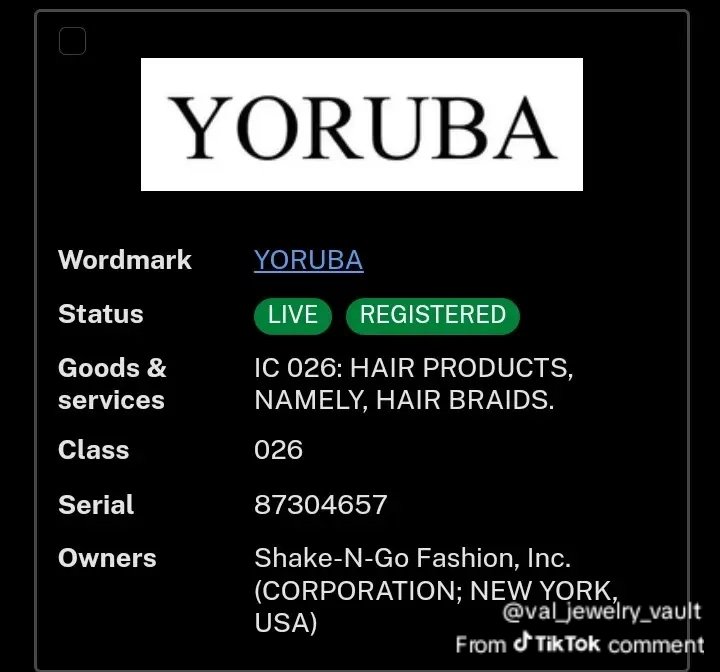
How A Foreign Company Was Allowed To Trademark ‘Yoruba’
The reason trademark offices like the USPTO (United States Patent and Trademark Office) and the UK Intellectual Property Office allow this comes down to how trademark law is structured:
- Class-Specific Ownership: Trademarks do not mean a company “owns” the word entirely in everyday speech. Instead, they register it under specific commercial classes (such as Class 26 for synthetic hair/wigs, or Class 25 for apparel).
- Examiner Oversight: Patent examiners often focus strictly on whether a word is already registered by another business in that specific product category—ignoring the broader cultural, historical, or ethnic significance of the word.
- The “First-To-File” Trap: Because corporate entities actively monitor trademark registries and pay thousands in legal fees to file early, foreign-owned companies lock down these names long before native creators or community organizations even think to register them.
The Viral #YorubaIsNotForSale Backlash
The outrage over the word “Yoruba” being monopolized reached a boiling point when Nigerian-born London educator Gbemisola Isimi—founder of CultureTree—attempted to trademark the phrase “Yoruba Stars” for an educational program teaching children the Yoruba language:
- The Blockade: When Isimi filed her application, she was shocked to receive notice that a foreign retail brand holding a 2015 trademark on the word “Yoruba” formally opposed her application, effectively blocking an African creator from using her own culture’s name.
- Offer To Sell: The company initially offered to sell the trademarked word back to her!
- Internet Uproar: Isimi took to Twitter and Instagram to expose the situation, sparking the explosive #YorubaIsNotForSale campaign. Black Twitter and African creators worldwide united to slam the move as neo-colonialism and blatant cultural exploitation.
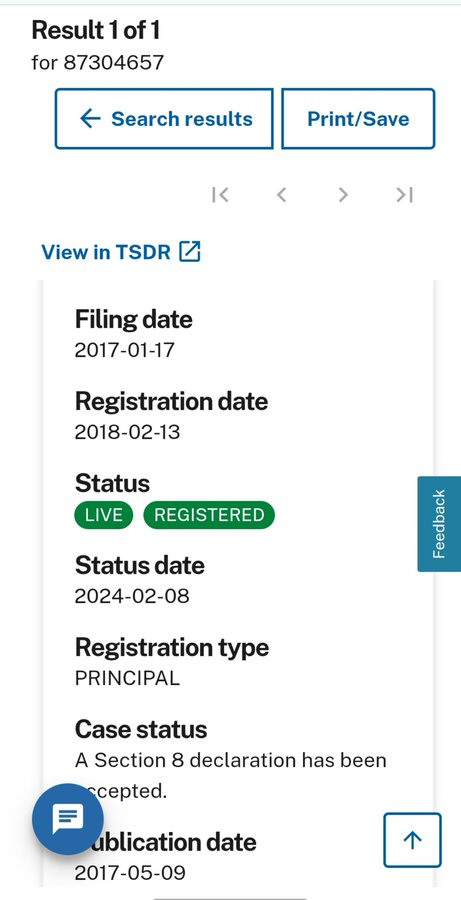
The Outcome: Public Pressure Forces Surrender
After thousands of commentators flooded social feeds, launched boycott campaigns, and demanded accountability, the corporate backlash worked:
- Deactivated Accounts: The trademark holder was forced to shut down their social media pages following intense public scrutiny.
- Surrendering The Name: Facing a massive PR disaster, the company withdrew its opposition and officially surrendered its rights to the word “Yoruba,” releasing it back without fees.
Why Activists Are Demanding Legal Reform
While that specific legal battle ended in victory for the community, activists and intellectual property lawyers continue to push government trademark offices to update their laws. Cultural advocates argue that sovereign ethnic group names, indigenous tribal identifiers, and living spoken languages belonging to tens of millions of people should be automatically barred from being registered as private corporate property!
What do you think about foreign corporations trademarking African cultural names and words? Let’s talk about it in the comments below!
