


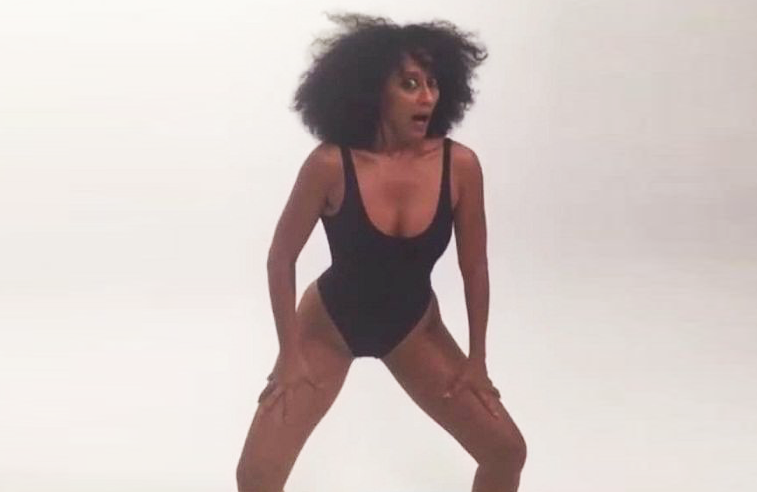
Tracee Ellis Ross Opens Up About Grieving the Life She Imagined—And Women Everywhere Feel Seen
Tracee Ellis Ross, known for her boundless joy, bold fashion, and fearless individuality, revealed a side of herself we rarely see—and it shook the internet in the best way.

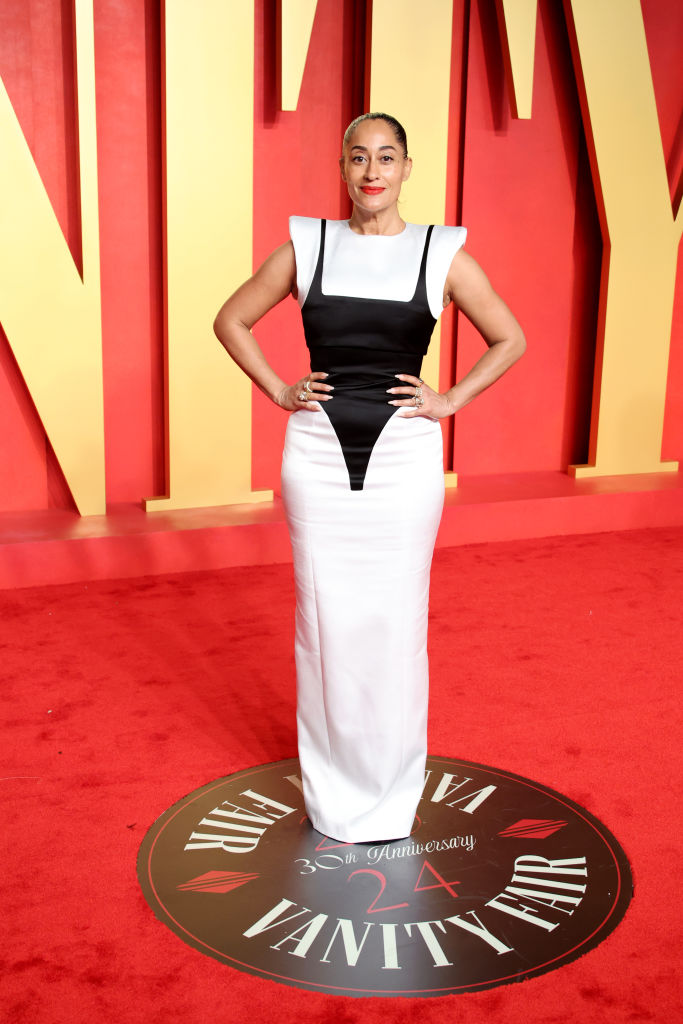
On a recent episode of In My Opinion (IMO), Michelle Obama’s powerful new podcast, the 51-year-old actress got vulnerable about something many women feel but few say aloud: grieving the life that didn’t happen.
“I grieve the things that I thought would be and that are not,” Ross shared. “I’m not married. I don’t have children… and I think I grieve that at times.”
This quiet truth hit hard for thousands. Within hours, #TraceeEllisRoss was trending, and social media lit up with women—especially Black women—saying they finally felt seen.
“I didn’t know I was grieving until she said it.”
“The freedom is beautiful. But the loneliness? The unmet dreams? That’s real too.”
This type of reflection, where joy and grief exist side by side, is something psychologists call disenfranchised grief—pain that society tends to overlook or invalidate. You’re successful. You’re glowing. You’re free. So what could be missing?
Ross gave voice to that ache.
A Different Kind of Loss
Tracee Ellis Ross has always been a North Star for women choosing their own paths. From Girlfriends to black-ish, she’s built a career on empowerment and authenticity. But in this conversation, she wasn’t the powerhouse actress, or the stylish red carpet icon. She was a woman, sitting across from Michelle Obama, reflecting on what she imagined her life would look like—and what it actually is.
What made the moment especially moving was her clarity.
“As much grief does surface for me around not having children and not having a partner… I still wouldn’t want the [wrong] partner,” she said. “I’m not interested in that. You have to make my life better.”
In other words: She’s grieving from a place of love for herself.
It’s not about bitterness. It’s about making space for complexity. For wanting something and still choosing wholeness without it.
Michelle Obama Responds with Grace
Michelle Obama responded with warmth and sisterhood, offering a powerful reflection of her own:
“That’s the pain of being a liberated woman. The choice doesn’t mean the grief isn’t there.”
Two Black women—icons, leaders, cultural anchors—openly crying, not because they’re broken, but because they’re whole and honest and human.
Why This Moment Matters
For many women watching and listening, this wasn’t just a moment—it was permission. Permission to say: “I’m grateful for my life. I love my independence. But yes, I sometimes mourn the dream I let go of.”
And in a world that constantly tells women to either choose family or career, choose tradition or freedom, Tracee showed us that you don’t have to pick sides—you just have to honor your truth.