
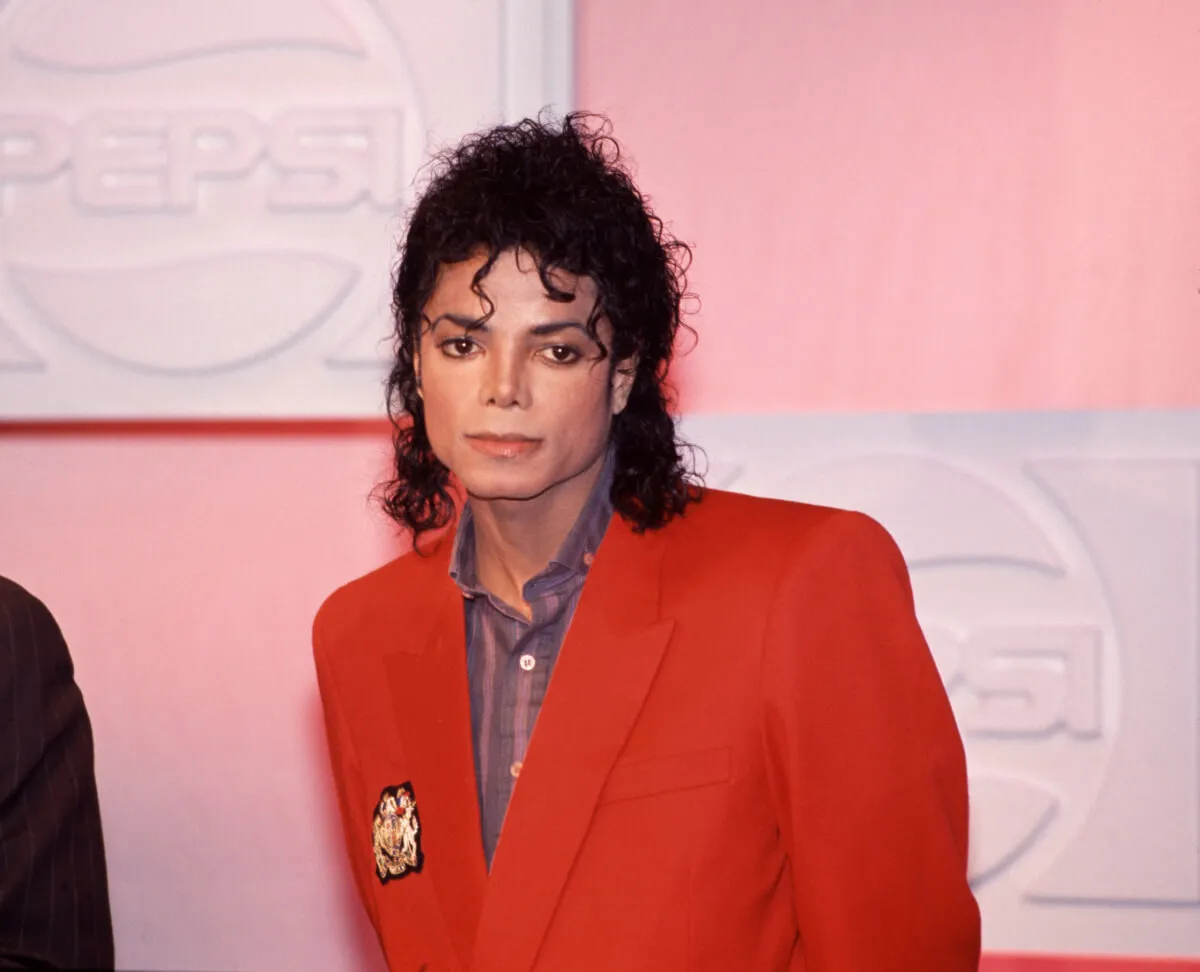
The Dark History Omitted From the New Michael Jackson Biopic: Former Insider Details Pop Star’s Childhood Trauma
As the highly anticipated musical biopic Michael dominates the global box office—surpassing half a billion dollars in ticket sales—the film’s soaring portrayal of the King of Pop has renewed conversations about his intensely complex private life. While the cinematic release focuses heavily on his rise from a child prodigy in Gary, Indiana, to an international icon, a newly surfaced account from a former close associate sheds light on the deep-seated childhood trauma that the movie leaves off-screen.
Geoffrey Mark, an Emmy-winning Hollywood producer who spent time in Jackson’s inner circle, has come forward to share private conversations with the late singer regarding his upbringing. According to Mark, Jackson quietly confessed to experiencing severe intergenerational boundary violations as a young performer—revelations that highlight a devastating cycle of grooming and psychological conditioning that impacted his entire adult life.
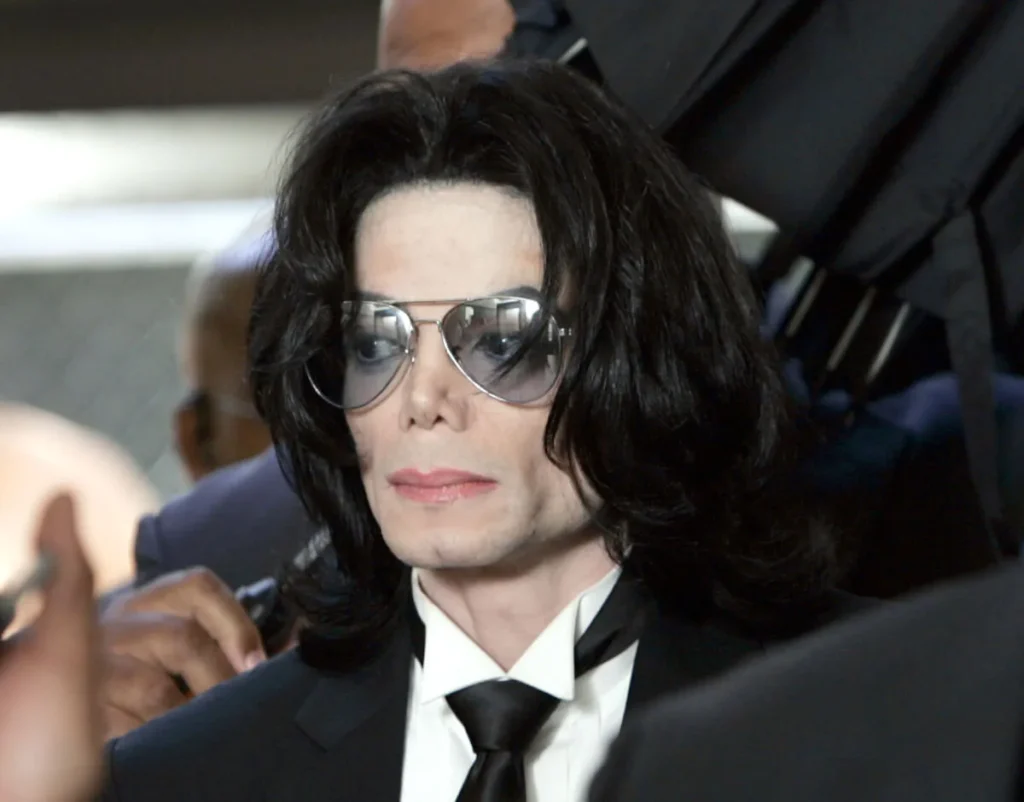
The Arnold Klein Dinner Disclosures
The details of these admissions trace back to the late 1990s and early 2000s, during a series of private dinners at the Hancock Park mansion of the prominent celebrity dermatologist Dr. Arnold Klein. Mark recalls that the conversation shifted toward childhood upbringings and parental relationships during an intimate gathering.
After Mark candidly shared his own history of survival regarding childhood trauma, Jackson reportedly reacted not with surprise at the acts themselves, but with confusion over the emotional toll it took. It was during these exchanges that the “Thriller” artist revealed he had experienced similar boundary crossings as a child star.
Crucially, Mark emphasizes that Jackson did not use terms like “abuse” or “exploitation” to describe what happened to him. Because he had been conditioned from a formative age to believe the behavior was normal, Jackson allegedly referred to those early experiences simply as “playtime.”
The Psychological Impact of Early Conditioning
The account paints a tragic portrait of an artist whose emotional development was severely fractured by early success and predatory conditioning. Mark suggests that the legendary performer was so deeply brainwashed by his environment that his internal understanding of conventional boundaries was fundamentally warped.
Rather than operating with malicious adult intent, Jackson reportedly carried a profound, unaddressed emotional load into his later years. This psychological stunting, insiders believe, directly influenced his highly publicized and controversial relationships with young companions at his Neverland Ranch estate. Mark notes that Jackson appeared to be attempting to recreate a idealized childhood environment, entirely unaware that his own framework for interacting with youth had been distorted by his past.
What the “Michael” Biopic Leaves Behind
The emergence of these private accounts underscores the ongoing critique of the current estate-sanctioned biopic. While the film successfully humanizes Jackson’s complicated relationship with his strict patriarch, Joe Jackson, it actively avoids the more polarizing chapters of his legacy.
The production entirely omits the systemic allegations brought forth in later years by former companions such as Wade Robson and James Safechuck, as well as the high-profile legal battles that defined Jackson’s later career, including his 2005 criminal trial and acquittal.
For historians and fans alike, Mark’s recollections add a sobering layer to the pop star’s dependency on substances, which many view as an attempt to dull a lifelong underlying pain. While the biopic continues its record-breaking run in theaters, these hidden chapters serve as a stark reminder of the immense trauma behind one of the most celebrated catalogs in music history.
