



Jay-Z and Pusha T Named in Newly Released “Epstein Files” — Here’s What That Actually Means
Social media went into a frenzy this week after the federal government released thousands of pages of documents now being referred to online as the “Epstein Files.” Almost immediately, two major names began trending: Jay-Z and Pusha T.
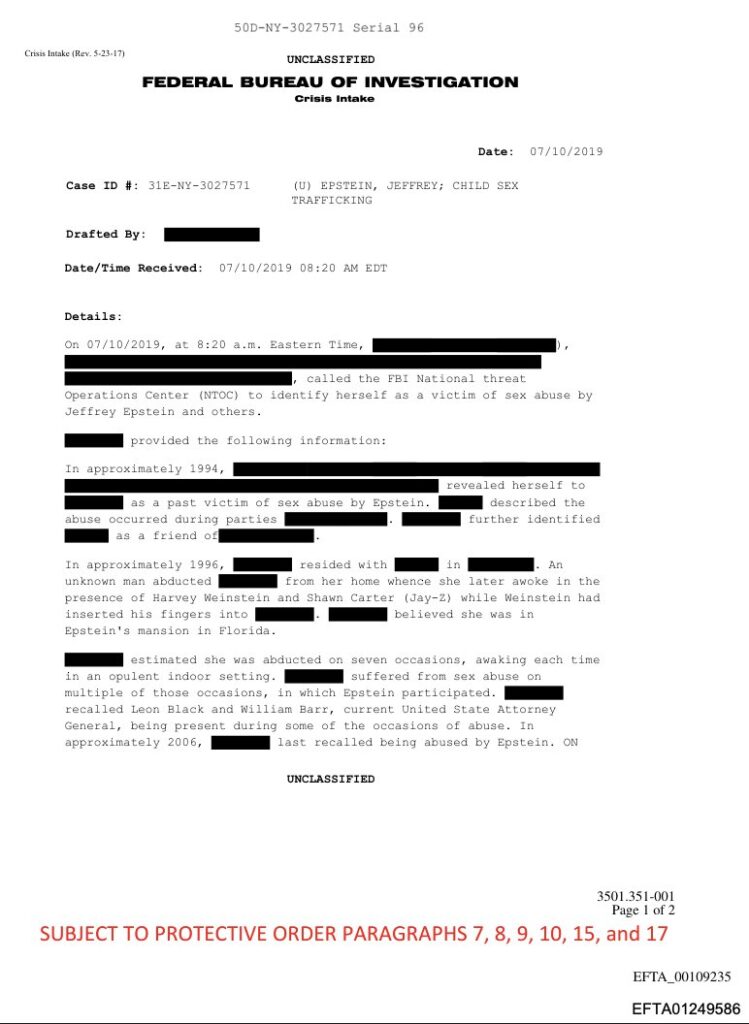
According to the documents, Jay-Z is mentioned in connection with an alleged incident involving Harvey Weinstein from 1996, based on a claim made by a third-party accuser. Jay-Z and his legal team have repeatedly and firmly denied any such allegations in the past.
Media Take Out did some preliminary investigations, and we have found no evidence that Jay Z even knew Harvey in 1996 – when Jay was justing starting out his rap career.


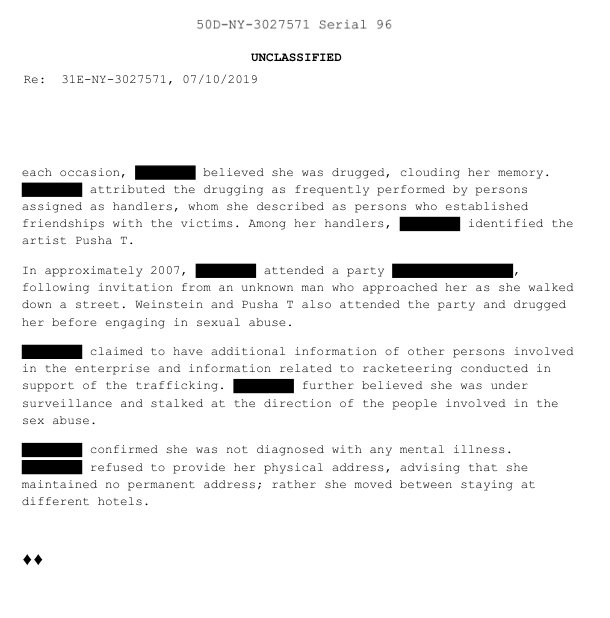
Pusha T is also mentioned in the files in relation to a separate allegation involving Harvey Weinstein from 2007, made by a different accuser.
So far, neither Jay-Z nor Pusha T has publicly commented on the release of the documents.
And this is where things start to get misunderstood.
Because while people are treating these mentions as bombshell revelations, it’s critical to understand what the Epstein Files actually are — and what they are not.

What the “Epstein Files” Really Are
The Epstein Files are a massive collection of emails, tips, notes, and allegations that were gathered by federal authorities over many years during investigations related to Jeffrey Epstein and his network.
However, these documents are:
- Unfiltered
- Unverified
- Uninvestigated
Meaning: they are not findings, not conclusions, and not proven evidence of anything.
They are essentially a raw data dump of information that federal agents collected — much of which was never acted upon, never substantiated, and never confirmed.
In many cases, the files simply record that someone made a claim at some point in time.
That’s it.

Why These Mentions Don’t Equal Guilt
One of the most important facts that’s getting lost in the noise:
Federal authorities had much of this information for years. The fact that no charges, investigations, or prosecutions followed most of these claims strongly suggests that law enforcement did not find the information credible or legally actionable.
Being named in these documents does not mean:
- A crime occurred
- An investigation happened
- There was any proof
- There was any wrongdoing
It only means a name appeared in a record of an allegation.
That distinction matters — a lot.


The Real Problem With the Release
The danger of the Epstein Files isn’t what’s inside them. It’s how they’re being interpreted.
In the age of social media, raw allegations quickly become viral “truth,” even when they were never vetted or verified. People are scanning the documents like a celebrity gossip list, instead of understanding them as unprocessed government records.
Careers and reputations are now being dragged into headlines based on claims that were never investigated and never substantiated.
Bottom Line
The Epstein Files are not a verdict.
They are not evidence.
They are not proof of anything.
They are a collection of unverified allegations preserved in federal records.
Jay-Z and Pusha T being mentioned does not mean they are implicated in any crime. It means someone made a claim that ended up in a file.
And in a system built on due process, allegations without investigation are not facts.